Statement
IT
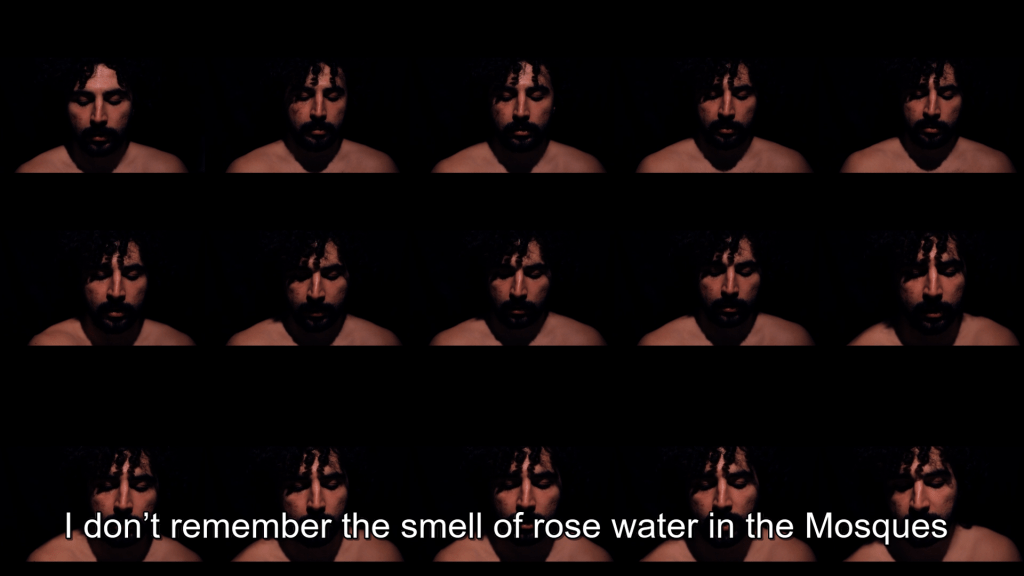
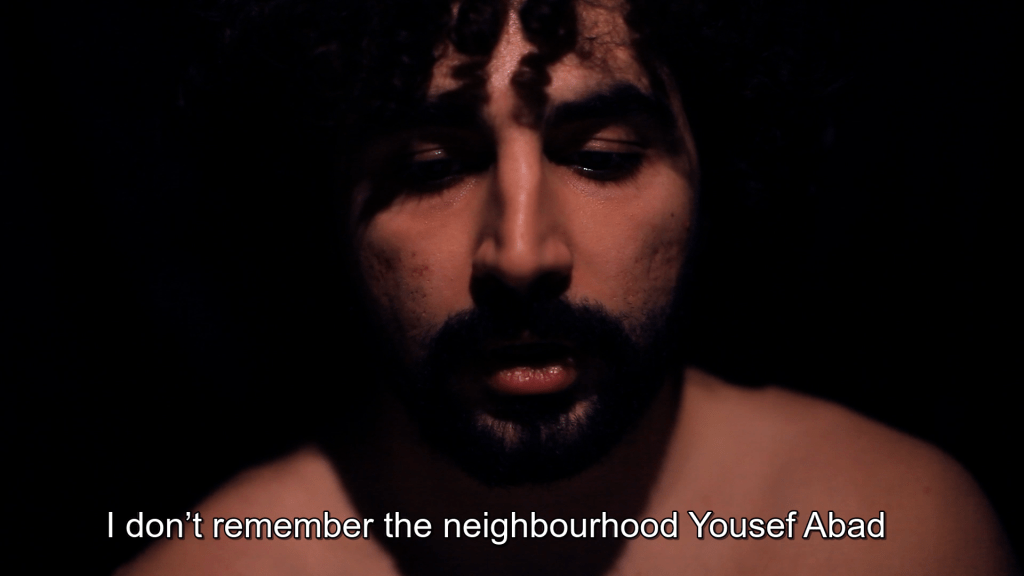
Trenta riprese frontali, trenata ricordi perduti della vita in Iran. Giunto a trent’anni, dopo aver trascorso metà della sua esistenza lontano dal proprio Paese, l’artista elabora questa manifestazione visiva del concetto di identità nazionale, che si frantuma sotto al peso del tempo e della distanza per poi ricomporsi in un nuovo “io”. La fragilità dei concetti di “nazione” e di “patria” è un tema ricorrente nel lavoro di Bagherzadeh, che anche stavolta mette in luce la labilità dei nostri confini identitari. Tuttavia, l’atto della ripetizione introduce un ulteriore elemento, che si concreta in una sorta di punizione autoinflitta per la perdita di quel bagaglio culturale originario, lasciando spazio all’ossessione di essere diviso a metà. Quasi al pari di un apolide, infatti, l’artista non riesce più ad identificarsi come “un vero iraniano”, ma neanche come italiano. E così si genera una tensione costante tra positivo e negativo, tra privilegio e senso di colpa, portando al corto circuito di uno shock culturale inverso.
(Testo curato da Livia Garomersini)
.
EN
“Thirty frontal shots, a train of lost memories from life in Iran. Upon reaching the age of thirty, after spending half of his life far from his homeland, the artist creates this visual representation of the concept of national identity, which shatters under the weight of time and distance only to reassemble into a new ‘self.’ The fragility of the notions of ‘nation’ and ‘homeland’ is a recurring theme in Bagherzadeh’s work, once again highlighting the fluidity of our identity boundaries. However, the act of repetition introduces an additional element, materializing as a self-inflicted punishment for the loss of that original cultural baggage, giving way to an obsession with being divided in half. Almost like a stateless person, the artist can no longer identify as a ‘true Iranian,’ but neither as an Italian. This constant tension between the positive and negative, privilege and guilt, leads to the short circuit of a reverse cultural shock.”
 Andisheh Bagherzadeh